
CONSULUS UNIFY Methodology
CONSULUS UNIFY methodology is an approach to organise, analyse and present perspectives, differences and complexity, in a comprehensive and thorough manner, so as to derive practical strategies for innovation and growth that are built on inherent strengths and purpose of a business.2 UNIFY Principles
3 Fundamental Beliefs
Purpose-driven
Inside Out
Unity
See with New Eyes Always
Strengths of Harness
UNIFY Frameworks
5 frameworks we use to support UNIFY methodology:

3-States™
Organization’s Growth & Innovation

9-Dimensions™

3-Signs™

4-Frames™

6Ps™
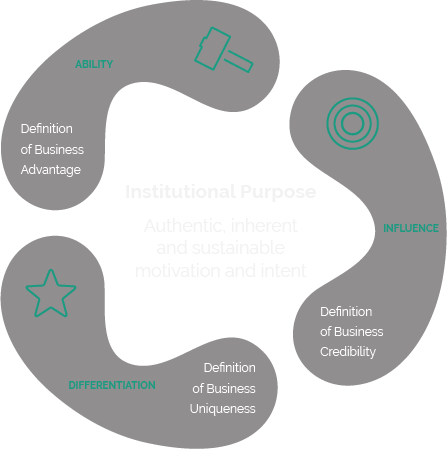
3-States™
A framework to categorise information and look at a business from an interdependent perspective. It helps us understand the dynamics of the organisation and its capacity in deriving success from its company. 3 States include State of Ability, State of Influence, State of Differentiation.
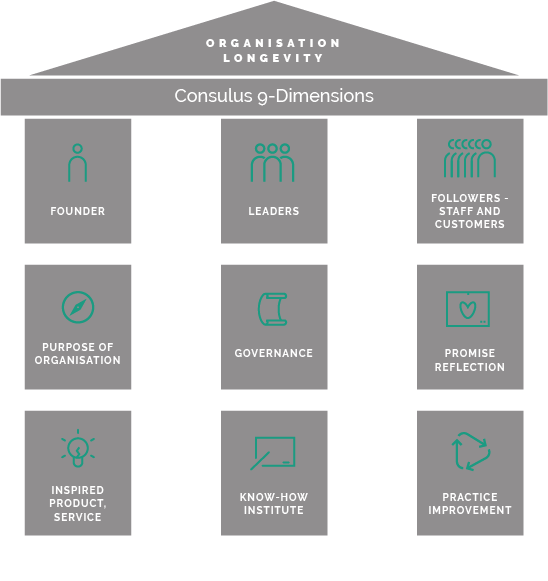
9-Dimensions™
A framework to assess if the company has the capacity to last once the organisation goes beyond its founders. 9 Dimensions include Founder, Purpose of Organisation, Inspired Product and Service, Leaders, Governance, Know-how Institute, Followers – Staff and customers, Promise Reflection, Practice Improvement.
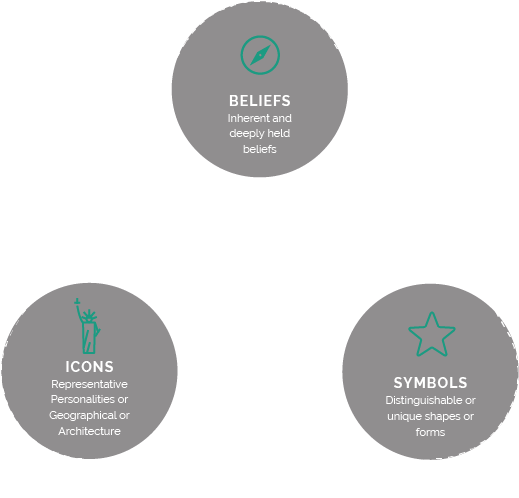
3-Signs™
A framework to identify the interdependent relationships in a visual context and background of the company (beliefs, symbols and icons) to develop a unique and yet relatable visual identity for a business to stay true to its identity and be unique.
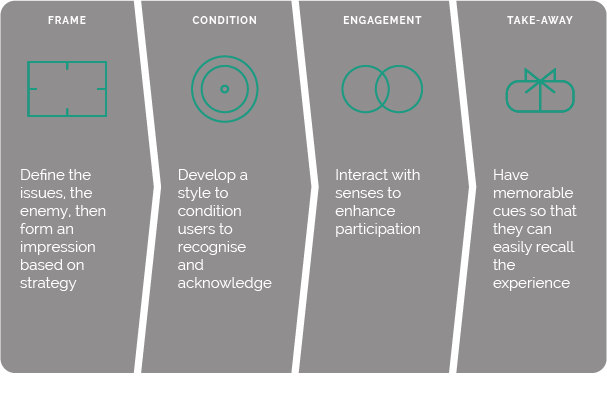
4-Frames™
A framework to identify and define the interdependent relationships of all the touch points of an experience during a customer’s journey. It helps us to create meaningful experiences for brands to connect with their customers at a deeper level so as to improve a customer frequency of engagement and bonding with the brand. 4-Frames include Frame, Condition, Engagement, Take-away.
6Ps™
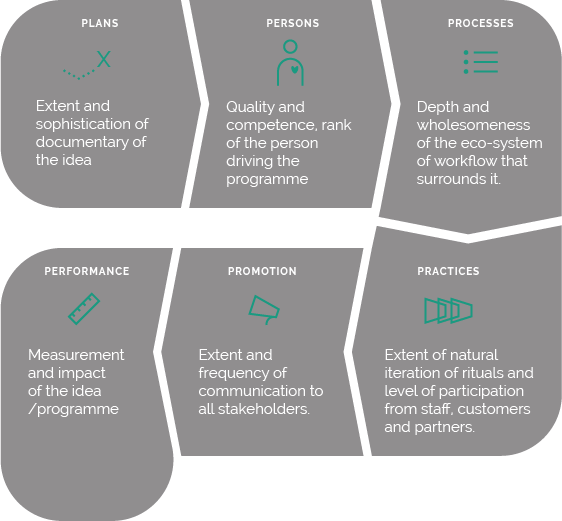
A framework to measure the degree to which an idea or initiative is being put into practice. It helps to assess how committed an organisation is towards making an idea happen. 6Ps stand for Plans, Persons, Processes, Practices, Promotion (previously labeled as Propaganda), Performance.
How to get extraordinary leaders for an uncertain world
Brands must redesign their leadership development programmes to better secure their future in an increasingly uncertain world.
Core Values that inspire Greatness
Organisations and companies must put systems in place to live up to the corporate values that they espouse in order to maximise and inspire performance.

Lãnh đạo doanh nghiệp Việt của tương lai
Làm cách nào để các doanh nghiệp Việt Nam vươn lên những công đoạn cao hơn trong chuỗi giá trị, từ đó, vươn lên vị trí lãnh đạo trong bối cảnh kinh tế thế giới nhiều biến động như hiện nay.

A Name to Stand the Test of Time
Lawrence Chong, CEO of Consulus & Shiraz Latiff, CEO of Hummingbird International, talk about how to create a meaningful and unique brand name to galvanise stakeholders and gain a lasting advantage.

Simply serving or serving magical moments?
Why Asian companies must go beyond standard customer service and create innovative experiences to capture market share.

Will your logo move mountains?
Lawrence Chong, CEO of Consulus and Shiraz Latiff, CEO of Hummingbird International talk about what makes for an effective logo and symbol in Ceylon Today, a Sri Lankan newspaper.
Thương hiệu Việt cần bản sắc Việt (English translation available)
Với một vài tên tuổi doanh nghiệp Việt đã giúp khởi động hành trình nâng giá trị bản sắc Việt trên toàn cầu, đã đến lúc nhiều doanh nghiệp Việt hơn nữa dám thoát khỏi mô típ bản sao của phương Tây và xây dựng những thương hiệu đậm đà bản sắc Việt.

3 Ways to Design a Shared Identity
New ideas on how companies can leverage brand identity to unite and inspire employees, build their knowledge base and sustain gains from innovation.

5 bước xây dựng và giữ chân đội ngũ nhân tài
Làm thế nào để các doanh nghiệp và tổ chức xây dựng và giữ chân đội ngũ nhân tài, bất kể quy mô doanh nghiệp, ngân sách và mô hình sở hữu?

Rethinking Design
The design bug is catching on in a big way in Asia, with even governments embracing the role of design in policy. Here are two photos to sum up the two years and our thoughts on how designers should evolve as we enter 2013.